Our Services
around the pipe
24-hour service for pipe blockages
Find the RohrStar partner for your region
Our Services
Professional solutions
for your pipes
Pipe Cleaning
& Drain Cleaning
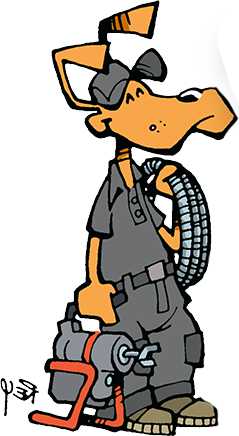
Professional pipe cleaning with state-of-the-art technology. Fast, reliable and at fair flat rates.
Pipe
Rehabilitation
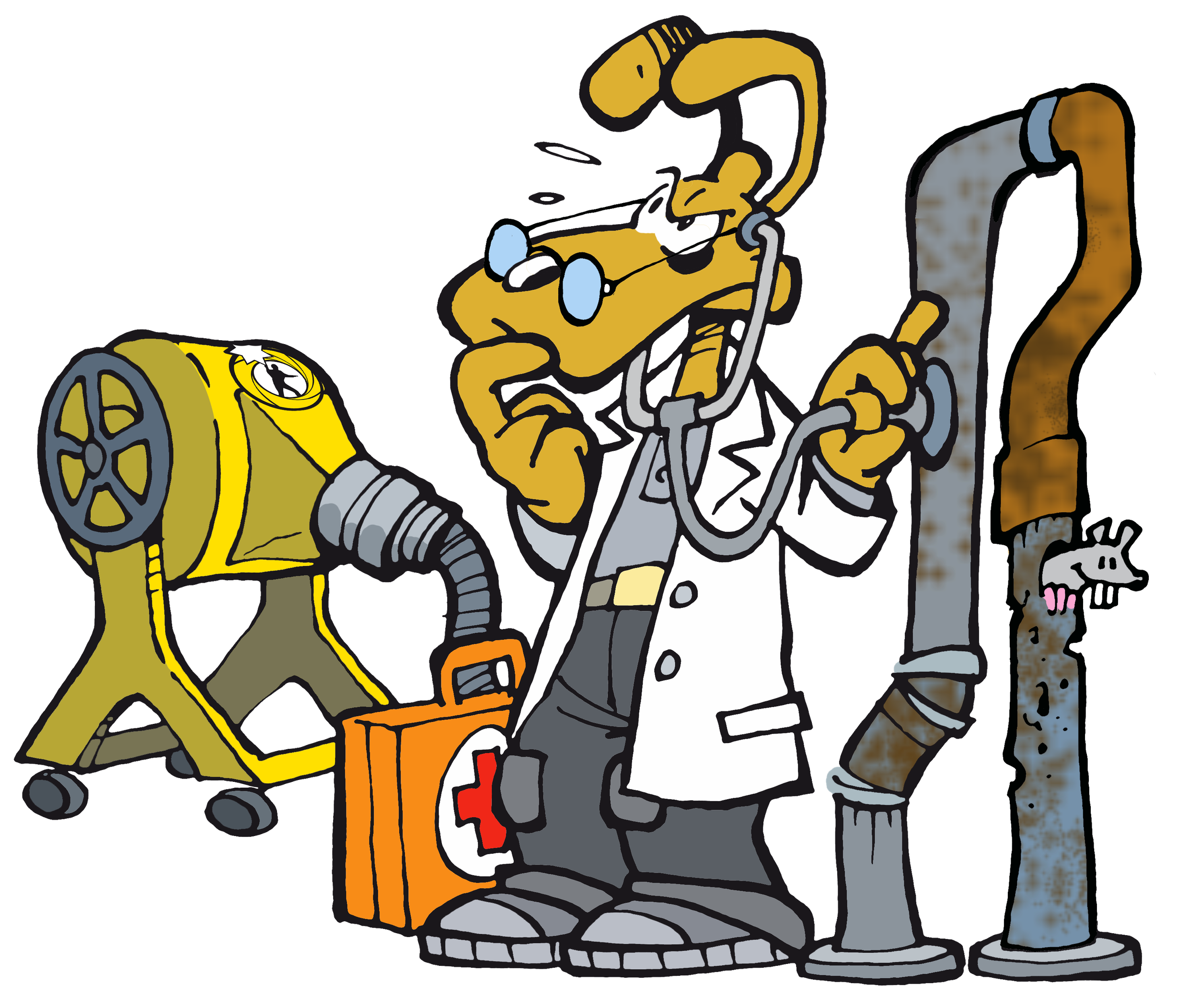
Modern rehabilitation methods without excavation. Using inliner and shortliner technology.
Lifting Stations
& Pumps
Professional installation and maintenance of lifting stations according to DIN standards.
Leak
Testing
Professional leak testing for existing and new construction according to water protection requirements.
Camera
Inspection
Modern camera technology for precise diagnosis of pipe problems and damage.
Backflow
Protection
Reliable protection against backflow and flooding in your building.
Our Services – around the pipe
24h Service for Pipe Blockages
Toilet clogged? Bathtub overflowing? Basement flooded? Our nationwide RohrStar network is available around the clock – 24 hours a day, 7 days a week, 365 days a year – to handle pipe blockage emergencies just as you would expect: quickly, efficiently, and at a fair price.
Sewer pipes and main drainage lines can become blocked over time by deposits and incrustations (drain blocked; toilet blocked; pipe blocked; sewer blocked). These blockages can lead to flooding or backflow at the most inconvenient times. Depending on the situation, we use different technical methods to eliminate and prevent blockages in the long term (pipe cleaning, drain cleaning, pipe flushing).
With the help of state-of-the-art technology, our well-trained pipe cleaners are available to remove all types of pipe and sewer blockages 365 days a year with our 24h service.
This ensures that blockages in toilets, sinks, kitchen drains, showers, bathtubs, or other drains such as rainwater pipes can be resolved as quickly as possible.
Electromechanical pipe and sewer cleaning uses milling and cutting heads to remove hard deposits, incrustations, lime scale, fats, foreign objects, or root ingrowth from pipe systems.
This is also done as a preparatory measure to subsequently free the pipes from all flow obstacles using high-pressure flushing.
In domestic areas (e.g., kitchens and bathrooms), we use inversion machines: the spiral runs inside the machine, so nothing gets dirty or damaged. By using special milling and cutting heads on the cleaning spiral, the original pipe diameter can be restored and annoying blockages can be prevented in the long term.
High-Pressure Flushing
Sewer systems are used to drain wastewater and rainwater. Over time, various solids accumulate in the pipes, which impair the flow of this wastewater.
To ensure the transport capacity of the pipes in the long term or to solve acute problems, high-pressure flushing may be necessary. For this purpose, a high-pressure hose is inserted into the system through a manhole or a cleaning opening directly in the sewer pipe. Solids or deposits are removed from the pipes by water pressure, thus eliminating flow obstacles.
RohrStar has vehicles with high-pressure flushing systems for pipes from DN100 to DN300, as well as mobile flushing units, which are mainly used for smaller diameter pipes in the range of DN25 to DN70 in houses and apartments. Special attachments also make it possible to remove roots or solidified deposits from sewer pipes. Costly excavation work can often be avoided as a result.
Camera Inspection
A professional camera inspection of wastewater pipes is essential for the assessment of a pipe system. It serves as the basis for possible cleaning, rehabilitation, or repair concepts.
Equipped with the latest technology, we can perform TV inspections from DN 40 to DN 500, examine branched pipe networks, and inspect pipe sections of up to 150 meters.
With the sewer inspection, you receive both a recording on CD or DVD to plan further necessary steps for your drainage system in a timely manner, and a photographic documentation of the identified defects, which is stored in a condition report.
We also offer our customers the creation of a pipe layout sketch and the designation of defects according to relevant standards. If desired, damage protocol data can be adapted to your needs or cadastre programs (ISYBAU, ATV, etc.).
If a site plan is missing
In many cases, there are no longer any plan documents for the property drainage system, or existing plans no longer correspond to reality. If an initial inspection of the property shows that plans are incomplete or outdated, surveying and mapping of main pipes and manholes should be carried out as part of the inspection.
Leak Testing
A leak test is used to determine the tightness of wastewater pipes. The pipe system must be tight to prevent contamination of soil and groundwater by leaking wastewater and to protect our environment. The intrusion of clean water into damaged pipe systems also creates unnecessary costs for wastewater treatment, which ultimately have to be borne by the taxpayer.
Legal situation: Every private property owner is obliged under §§ 59/60/61a of the Water Resources Act in conjunction with DIN 1986-30 to check all private drainage pipes and manholes of domestic wastewater systems for condition and tightness.
Attention: In water protection areas, much shorter deadlines apply! These deadlines can be changed by cities and municipalities in connection with a municipal wastewater disposal concept, a sewer rehabilitation concept or a municipal extraneous water concept. In any case, a municipal statute must be issued if the deadline is changed. Municipalities are expressly obliged to inform and advise property owners!
In the case of new buildings, as per DIN EN 1610 in conjunction with ATV A 139, as-built plans must be drawn up for all pipes and the tightness must be certified.
Pipe Rehabilitation
Pipe and Sewer Rehabilitation
Sewer pipes are subject to natural deterioration, and over time, damage and leaks can occur, causing environmental harm from leaking sewage and damage to property (undermined basements, damp walls, etc.).
In such cases, rehabilitation of the affected sewer pipe, sewer, or manhole is absolutely necessary.
Save costs with efficient and modern rehabilitation methods
RohrStar uses the most modern methods for pipe rehabilitation. This means that the work is carried out efficiently and effectively, keeping costs as low as possible for you.
In many cases, trenchless rehabilitation is possible. The so-called inliner method allows the pipe to be rehabilitated without excavation, using existing access points. This keeps your building or garden intact and avoids restoration costs. The inliner method, which can be used for both short sections ("short liner" or "point liner") and long sections ("long liner"), can repair almost all types of damage. Rehabilitation using the inliner method is possible in almost all areas, so pipes with a diameter from DN 50, bends, branches, and downpipes can be rehabilitated.
In addition to the inliner method, there are other methods, such as the "spray liner" system, which also uses existing access points and thus provides a cost-effective and durable solution for your wastewater system!
Process of Pipe Rehabilitation
Not every damage is the same. Our certified specialist companies will work with you to develop the right rehabilitation concept for you.
First, the condition of the pipes, including the damage to be repaired, must be documented by a TV inspection. If necessary, the pipes must be cleaned to remove existing deposits, root ingrowth, or other foreign objects. The appropriate rehabilitation method is then determined, and you will receive an offer from our specialists. Once you have placed the order, the rehabilitation will be carried out by our trained professionals. After completion, the condition of the rehabilitated pipes is documented again with a camera inspection. If required, a leak test according to DIN EN 1610 can also be carried out to certify the tightness of the rehabilitated pipes.
The advantages of inliner and spray liner rehabilitation at a glance
- Cost-efficient thanks to state-of-the-art methods
- Short construction time
- No breaking up of walls, no excavation or earthworks
- No expensive restoration costs for gardens or building interiors
- Long service life of the rehabilitated pipes
- Certification by the German Institute for Building Technology (dIBT)
Let our experts advise you and provide a non-binding offer. We guarantee prompt processing of your request in advance.
Backwater Protection
Backflow of wastewater into the building always occurs when the wastewater cannot be optimally discharged into the public sewer system. When the capacity of the sewer manholes is exceeded, it flows back into the building.
To prevent this, drainage fixtures (basement drains, toilets, showers, sinks, etc.) below the backwater level must be protected. Not only heavy rainfall events but also cross-sectional constrictions caused by deposits or blockages in the sewer system, as well as pipe breaks or pump failures in the public sewer system or flooding, mean that wastewater can no longer drain as quickly as necessary and thus backs up into the building.
Danger: wastewater containing feces can enter your basement rooms! Damage to your furnishings, damp masonry and foundations, as well as a health risk to people due to the risk of infection, are just some of the consequences of backwater. In any case, in addition to material damage, you can expect enormous cleaning effort.
RohrStar is there for you when it comes to installation, service, and maintenance of backwater protection systems. We offer our service for basement drains with backwater valves and automatic backwater protection devices as well as for lifting stations.
Service & Maintenance
Lack of maintenance of in-house pipe systems, especially with heavy use (e.g., in gastronomy), often leads to malfunctions in wastewater pipes. The result is pipe blockages, water damage, and flooding. Our maintenance service ensures that these emergencies do not occur. This not only saves costs and nerves, but also preserves the value of your drainage systems.
We recommend the following maintenance intervals:
- Cleaning and maintenance of sump pumps (single-family homes) every 12 months
- Inspection of backwater protection every 6 to 12 months
- Sewer cleaning/house connection sewer every 3 to 5 years
- Individual planning of maintenance work for commercial wastewater systems
Lifting Stations & Pumps
Wastewater and rainwater cannot be drained if the sewer is higher than the sanitary facility. In this case, a lifting station must be used.
To ensure that the lifting station is optimally designed for all local conditions, the pump capacity must be calculated according to the specifications of DIN EN 12056-4 to ensure that the pump can deliver the required flow rate to the desired height.
According to DIN EN 12056-4, lifting stations should also be regularly maintained by a qualified professional. For single-family homes with private use, at least one maintenance per year is required, for multi-family homes two, and for commercial use four. The interval should always be adjusted to the age and usage of the system.
RohrStar service technicians are well trained and prepared to rectify faults and carry out necessary repairs. RohrStar also supplies and installs new systems.
Key Account Service
RohrStar is the leading franchise system in Germany and Austria for all aspects of property drainage.
The key account department at RohrStar serves companies operating regionally and nationally with large real estate portfolios: from insurance companies and the housing and real estate industry to retail chains.
The basis of our business is the objectives of our key accounts in optimizing all essential tasks of property drainage for their managed real estate portfolio:
- Cost savings
- Reduction of administrative effort
- Quality assurance
- Transparency and continuity in order execution, documentation, and billing
- Increase in customer satisfaction
- Preservation of your property value
for all pipe problems
We are here for you around the clock. Contact us for emergencies or consultation.
RohrStar
Contact
- RohrStar AG
Haart 224
24539 Neumünster
Deutschland - +49 4321 499 0 650
- [email protected]